


- Are all cryptocurrencies the same
- Are all cryptocurrencies based on blockchain
- Market cap of all cryptocurrencies
Do all cryptocurrencies use blockchain
At the time of writing, we estimate that there are more than 2 million pairs being traded, made up of coins, tokens and projects in the global coin market rules of craps dice game. As mentioned above, we have a due diligence process that we apply to new coins before they are listed. This process controls how many of the cryptocurrencies from the global market are represented on our site.
Price volatility has long been one of the features of the cryptocurrency market. When asset prices move quickly in either direction and the market itself is relatively thin, it can sometimes be difficult to conduct transactions as might be needed. To overcome this problem, a new type of cryptocurrency tied in value to existing currencies — ranging from the U.S. dollar, other fiats or even other cryptocurrencies — arose. These new cryptocurrency are known as stablecoins, and they can be used for a multitude of purposes due to their stability.
CoinMarketCap does not offer financial or investment advice about which cryptocurrency, token or asset does or does not make a good investment, nor do we offer advice about the timing of purchases or sales. We are strictly a data company. Please remember that the prices, yields and values of financial assets change. This means that any capital you may invest is at risk. We recommend seeking the advice of a professional investment advisor for guidance related to your personal circumstances.
One of the biggest winners is Axie Infinity — a Pokémon-inspired game where players collect Axies (NFTs of digital pets), breed and battle them against other players to earn Smooth Love Potion (SLP) — the in-game reward token. This game was extremely popular in developing countries like The Philippines, due to the level of income they could earn. Players in the Philippines can check the price of SLP to PHP today directly on CoinMarketCap.
Are all cryptocurrencies the same
Investing in cryptocurrencies is a little different than investing in shares of a company. Stock represents ownership of a business and a claim to profits the company generates. Purchasing coins of a cryptocurrency, though, is a speculative bet on the price movement of that digital currency — which can be highly volatile and is subject to the law of supply and demand since digital currency by itself is not a dynamic asset. Cryptocurrencies can be exchanged for other digital currencies or for fiat currencies like the U.S. dollar using a digital wallet on a trading app.
Blockchain technology is open source, meaning any software developer can use the original source code and create something new with it. Developers have done just that. There are estimated to be more than 13,000 different cryptocurrencies in circulation at the time of this writing, and the figure keeps increasing. For reference, the number of cryptos surpassed 1,000 only several years ago.
As a conclusion to all the things we mentioned in this article, we can say that the crypto market has a huge potential to be even bigger in the future. All of these differences are normal and expected, and of course, it’s on us to decide if we will take a part in this or not.
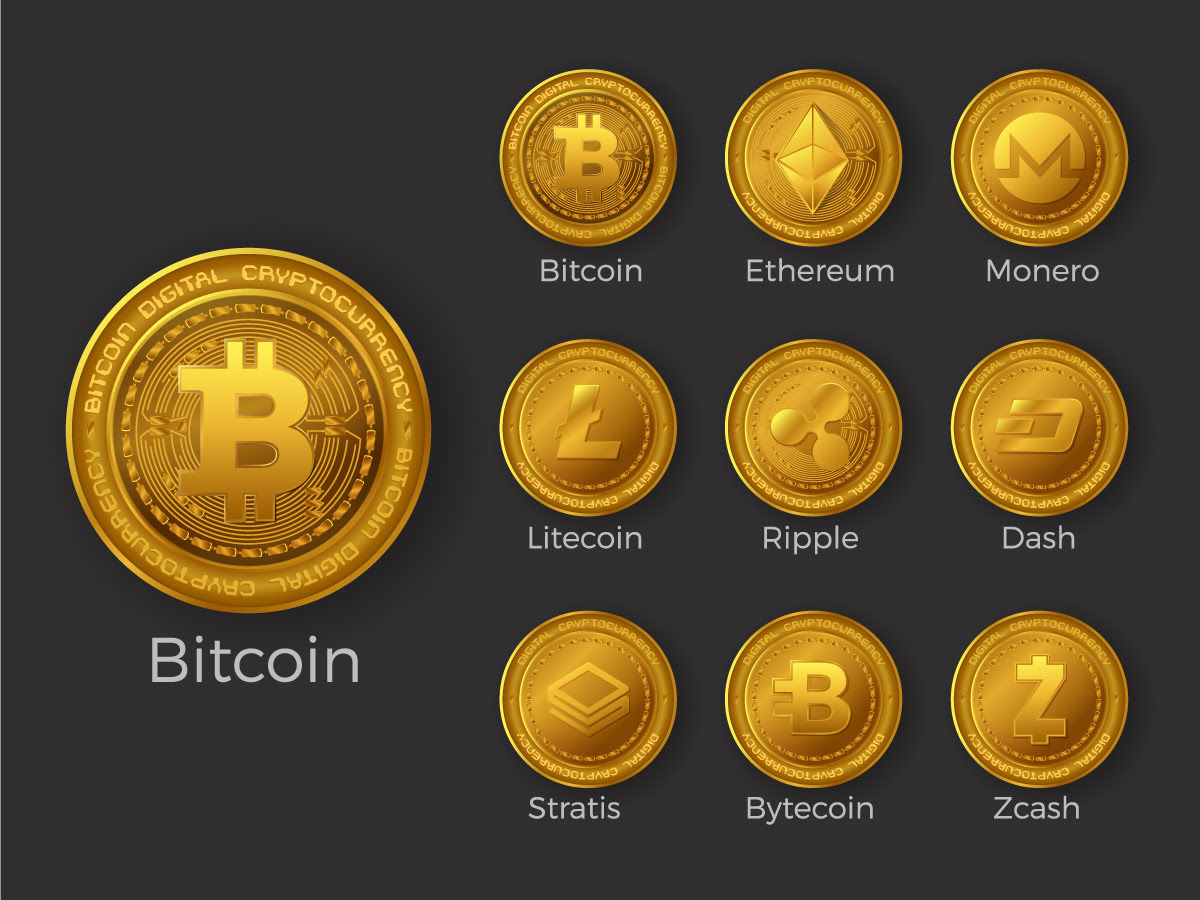
Investing in cryptocurrencies is a little different than investing in shares of a company. Stock represents ownership of a business and a claim to profits the company generates. Purchasing coins of a cryptocurrency, though, is a speculative bet on the price movement of that digital currency — which can be highly volatile and is subject to the law of supply and demand since digital currency by itself is not a dynamic asset. Cryptocurrencies can be exchanged for other digital currencies or for fiat currencies like the U.S. dollar using a digital wallet on a trading app.
Blockchain technology is open source, meaning any software developer can use the original source code and create something new with it. Developers have done just that. There are estimated to be more than 13,000 different cryptocurrencies in circulation at the time of this writing, and the figure keeps increasing. For reference, the number of cryptos surpassed 1,000 only several years ago.
As a conclusion to all the things we mentioned in this article, we can say that the crypto market has a huge potential to be even bigger in the future. All of these differences are normal and expected, and of course, it’s on us to decide if we will take a part in this or not.
Are all cryptocurrencies based on blockchain
New cryptocurrencies are created by developers using open-source blockchain code. They often launch through token generation events or blockchain forks. Some are built for specific applications like gaming or governance, while others aim to improve existing systems. Innovation in the space leads to constant emergence of new crypto types.
Yes, each cryptocurrency has its own unique blockchain, which is a decentralized, digital ledger that records transactions and facilitates the exchange of that coin. This allows for independent operation and management of each cryptocurrency.
For a more in-depth exploration of these topics, see McKinsey’s “Blockchain and Digital Assets” collection. Learn more about McKinsey’s Financial Services Practice—and check out blockchain-related job opportunities if you’re interested in working at McKinsey.
Market cap of all cryptocurrencies
Crypto market cap matters because it is a useful way to compare different cryptocurrencies. If Coin A has a significantly higher market cap than Coin B, this tells us that Coin A is likely adopted more widely by individuals and businesses and valued higher by the market. On the other hand, it could potentially also be an indication that Coin B is undervalued relative to Coin A.
CoinCodex provides all the data you need to stay informed about cryptocurrencies. You can find cryptocurrency charts for more than 41344 coins, and access key data such as up-to-date prices, all-time high price, cryptocurrency market cap, trading volume and more. The crypto charts provided by CoinCodex are incredibly flexible – you can watch real-time prices or select between 8 pre-defined time frames, ranging from 24 hours to the entire price history of the coin. If you need more precision, you can select a custom date range. CoinCodex also gives you the ability to compare the price action of different cryptocurrencies on a single chart.
The miner that provides the correct solution to the problem first gets to add the new block of transactions to the blockchain and receives a reward in return for their work. Bitcoin miners are rewarded with BTC, Ethereum miners are rewarded with ETH, and so forth.
TThe data at CoinMarketCap updates every few seconds, which means that it is possible to check in on the value of your investments and assets at any time and from anywhere in the world. We look forward to seeing you regularly!
The Bitcoin market cap is currently 2,045.81 billion. We arrive at this figure by multiplying the price of 1 BTC and the circulating supply of Bitcoin. The Bitcoin price is currently $ 102,991 and its circulating supply is 19.86 million. If we multiply these two numbers, we arrive at a market cap of 2,045.81 billion.
